
Coming Full Circle
Bringing Experience, Research and Heart to Fostering; Why fostering, panel and staying connected to practice matter to me
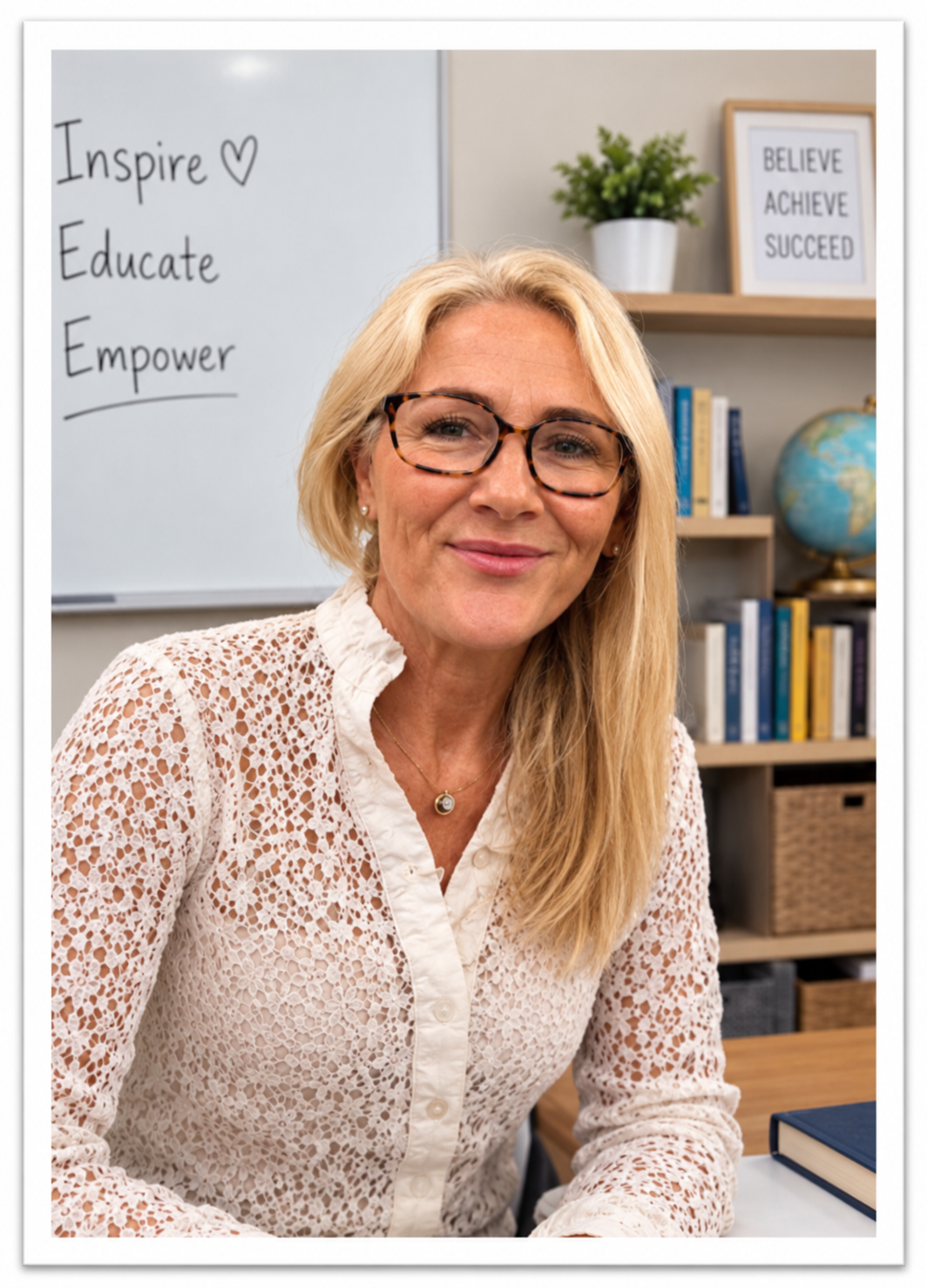
“Children don’t experience fostering as policies or panel reports. They experience a home, relationships and whether they feel safe, listened to and that they belong.”
After around 16 years in social work practice, moving into academia gave me the opportunity to take what I had learned from children, families and professionals into the education of future social workers. But I never wanted moving into higher education to mean moving away from practice.
My career has included frontline social work, adoption, workforce development and working as an Independent Reviewing Officer. Some of the most important learning I carry with me came from care-experienced children and young people themselves: what they told me about being listened to, relationships, belonging, stability and the things adults sometimes miss.
Those experiences continue to shape my teaching, my involvement with the British Association of Social Workers (BASW) and my doctoral research exploring the voice and participation of care-experienced children and young people. I remain interested not only in whether we hear children, but in what happens to their voice once it enters professional systems and decision-making.
WHY FOSTERING PANEL?
I had wanted to sit on a fostering panel for a long time. When I took the opportunity for redundancy from my university role in March, it felt like the right moment to pursue something I had always wanted to do and reconnect even more directly with practice.
I was introduced to Skylark Fostering through a professional associate. From those first conversations, I liked the feel of the organisation. Even the formal conversations felt friendly and welcoming. I was particularly drawn to Skylark’s development as an agency and its wish to grow while retaining the relationships and personal approach of a smaller organisation.
Being an independent panel member is a genuine privilege. You are invited into people’s stories: why they want to foster, what has shaped them, what they can offer a child, what they have learned and where they may still need support and development. Panel allows us to recognise strengths while remaining curious, asking difficult questions and always bringing the discussion back to what this could mean for a child.
CONNECTING PANEL, PRACTICE, RESEARCH AND TRAINING
My relationship with Skylark has also allowed another part of my work to connect through SWET – Social Work Education & Training. Recently, I had the privilege of delivering safeguarding and professional decision-making training for Skylark foster carers. I wanted the training to create opportunities for foster carers to understand more deeply where social work thinking and decision-making come from, while equally recognising the expertise carers develop from living alongside children every day.
Those perspectives should not sit separately. A foster carer may notice what a social worker cannot see during a visit; a social worker may hold information that gives that observation a different meaning. Bringing those perspectives together gives us a stronger understanding of the child. My involvement with BASW, research, teaching, panel and training also helps me connect wider developments in social work and fostering with everyday practice.
In many ways, joining Skylark has brought me full circle. Practice informs my research; research informs my teaching and training; panel keeps me connected to fostering; and foster carers continue to teach me about the realities of caring for children. I hope I bring something useful to every panel and every training room – but I also know that I leave each one having learned something myself.